





.webp)



WhatsApp is introducing usernames, giving its users a way to be found and messaged by a handle instead of a phone number. The app opened username reservations this week, ahead of a phased rollout it plans to complete later in 2026. The platform is opening reservations early so users can secure a handle before the names they want are taken.
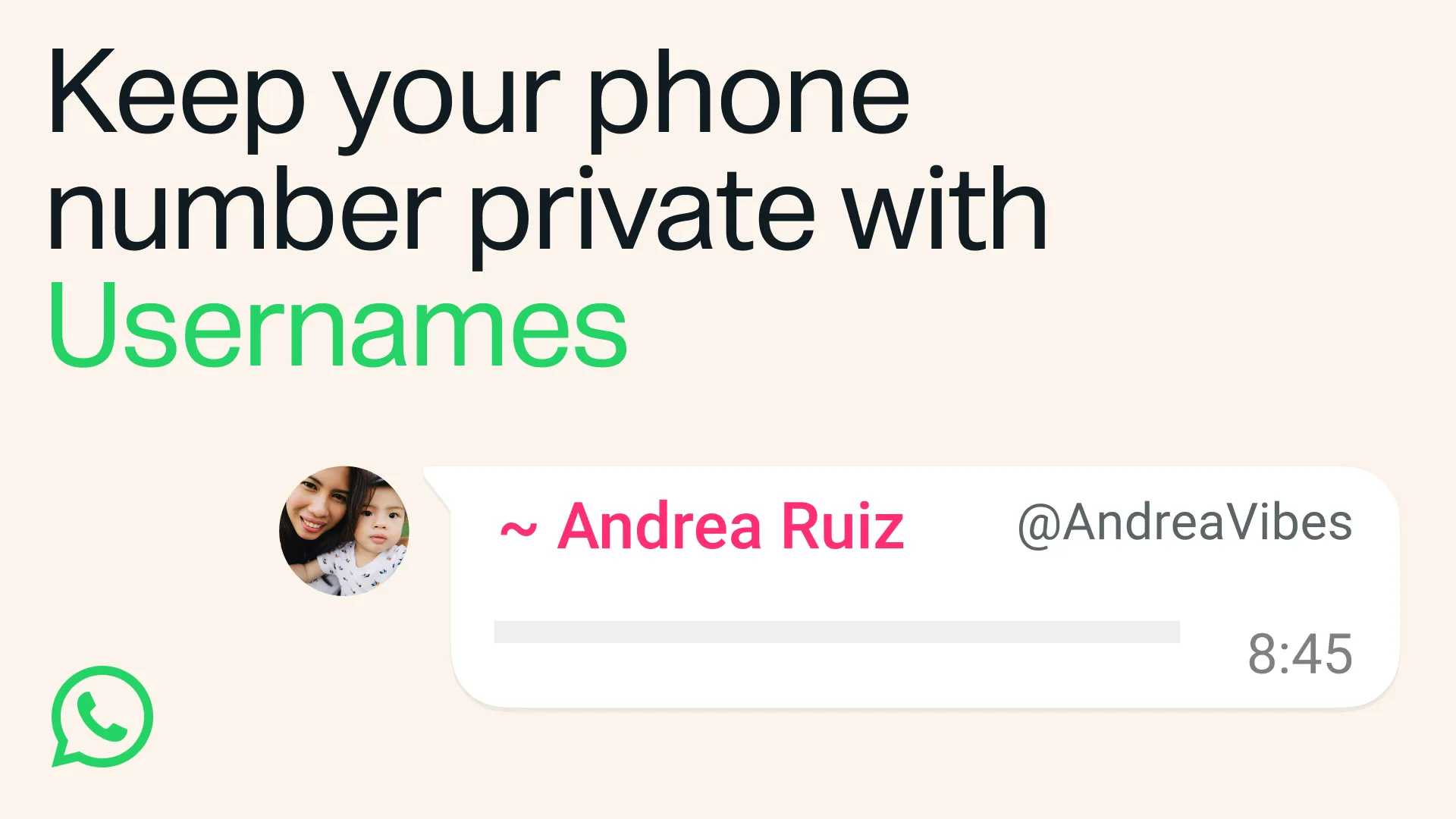
For most people the change is a privacy update. The more consequential part sits with businesses and advertisers, because the phone number has been the identifier brands key their WhatsApp messaging, opt-ins, and customer records to, and that identifier is about to move behind a handle.
How Usernames Work
Users can claim a username, or generate one, under Settings > Account > Username on the latest version of the app. There is no public directory and no suggestions, so someone has to know an exact username to start a conversation, and an optional username key adds a second detail a sender must have before a first message can go through.
Once the feature launches, a person or business contacted for the first time no longer sees the sender's phone number when a username is enabled.
A Consistent Handle Across Meta's Apps
Creators, small businesses, and organizations can claim the Instagram or Facebook username they already use on WhatsApp, letting a brand carry one handle across Meta's apps. That consistency matters as WhatsApp builds out its role as a marketing surface. According to the announcement, they can reserve their existing Instagram or Facebook username on this page.
Over the past year the platform has added an advertising and commerce layer, including the click-to-message ads it began running in Status updates. A stable handle could give brands a recognizable identity on a channel they are starting to pay to reach customers on.
Why It Matters for Businesses and Advertisers
Companies have long keyed their WhatsApp contact records, opt-ins, and customer matching to the phone number, and once numbers sit behind usernames that identity layer has to change. The practical work is auditing how a company's WhatsApp stack recognizes a customer before the global rollout reaches its market, so existing conversations and consent records carry over cleanly when numbers are no longer exposed.
For advertisers running click-to-message campaigns, the durable identifier they plan against becomes the username rather than the number a customer dialed in with.
An Identity Model Catching Up to Rivals
Handle-based identity is already standard on Instagram, Threads, Telegram, and Signal, so WhatsApp is matching an established norm rather than setting one.
The difference is scale. With more than three billion users, WhatsApp is applying the model to one of the largest communication networks in the world, and tying that identity to a user's existing Meta handles strengthens the connective tissue between WhatsApp, Instagram, and Facebook.
Recap
What is happening with WhatsApp usernames?

WhatsApp is introducing usernames and has opened early reservations, ahead of a phased rollout later in 2026. Once live, people can be found and messaged by a username instead of their phone number.
How do WhatsApp usernames work?
Users pick a username, or use a generator, under Settings > Account > Username. There is no directory to browse, a sender needs the exact username to make first contact, and an optional username key adds a further layer of control over who can reach you.
What does the change mean for businesses and advertisers?
Brands that have keyed CRM records, opt-ins, and customer matching to phone numbers will need to adapt as numbers are hidden behind handles, and advertisers running click-to-message campaigns will plan against the username instead. Creators and businesses can also claim their existing Instagram or Facebook username to keep one consistent identity across Meta's apps.