






Meta is bringing Muse Image, its first in-house image-generation model, into Advantage+ creative, the automated suite that generates ad images for advertisers.
According to the company, the model will power AI-generated image variations for advertisers inside its ad platform. The integration is not live yet, and Meta says image variants powered by the model will begin appearing in the coming weeks.
Advantage+ creative is Meta's set of generative tools for producing ad visuals, and image generation is the piece getting the upgrade. The tools build new backgrounds around product images, spin lifestyle variations from existing ads, and turn video creative into static images. Muse Image replaces the model behind that work with one Meta built itself.
What Muse Image Is
Muse Image is the first image-generation model from Meta Superintelligence Labs, the research group Meta formed to build frontier AI. The model lets people generate and edit images using prompts or existing photos. Users can download the finished images or share them directly to Meta apps, including chats, Stories, and feeds.
Muse Image can generate images that contain readable text. The company says people can use it to create graphics such as invitations, infographics, guides, or QR codes with text included inside the generated image.
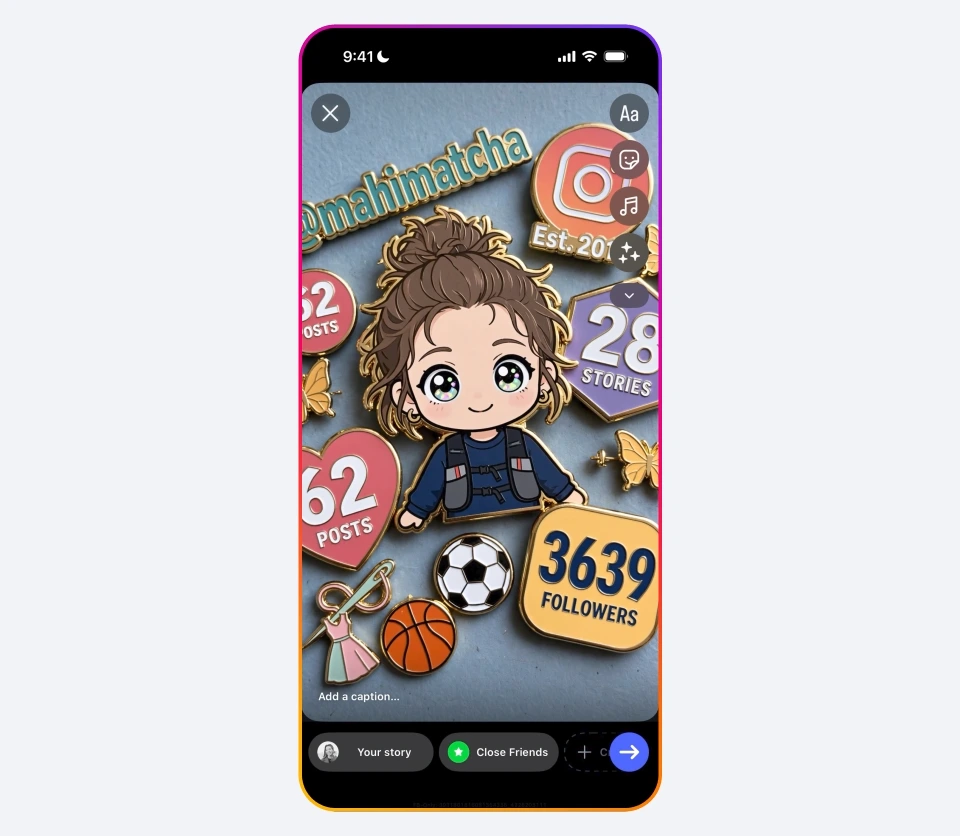
The launch also expands Meta's AI creative tools across its products. Meta says Muse Image is already powering new experiences in Meta AI, the assistant Meta expanded in April when it introduced Muse Spark, the reasoning model Muse Image now works alongside.
The company has also begun introducing more than 30 AI-powered Story effects on Instagram and image generation inside Meta AI chats on WhatsApp in a limited number of countries. Support for Facebook, Messenger, additional Instagram and WhatsApp experiences, and Meta Advantage+ creative for advertisers will follow in the coming weeks as the rollout expands.
Advantage+ Creative Gets Meta's Own Model
For advertisers, the change swaps the image model inside a workflow they already use, though the benchmark for what a strong variation looks like is still the pool of the best Facebook ad examples brands are running right now. Muse Image generates and edits images from conversational prompts, creates multiple on-brand ad variations, and composes from multiple reference images.
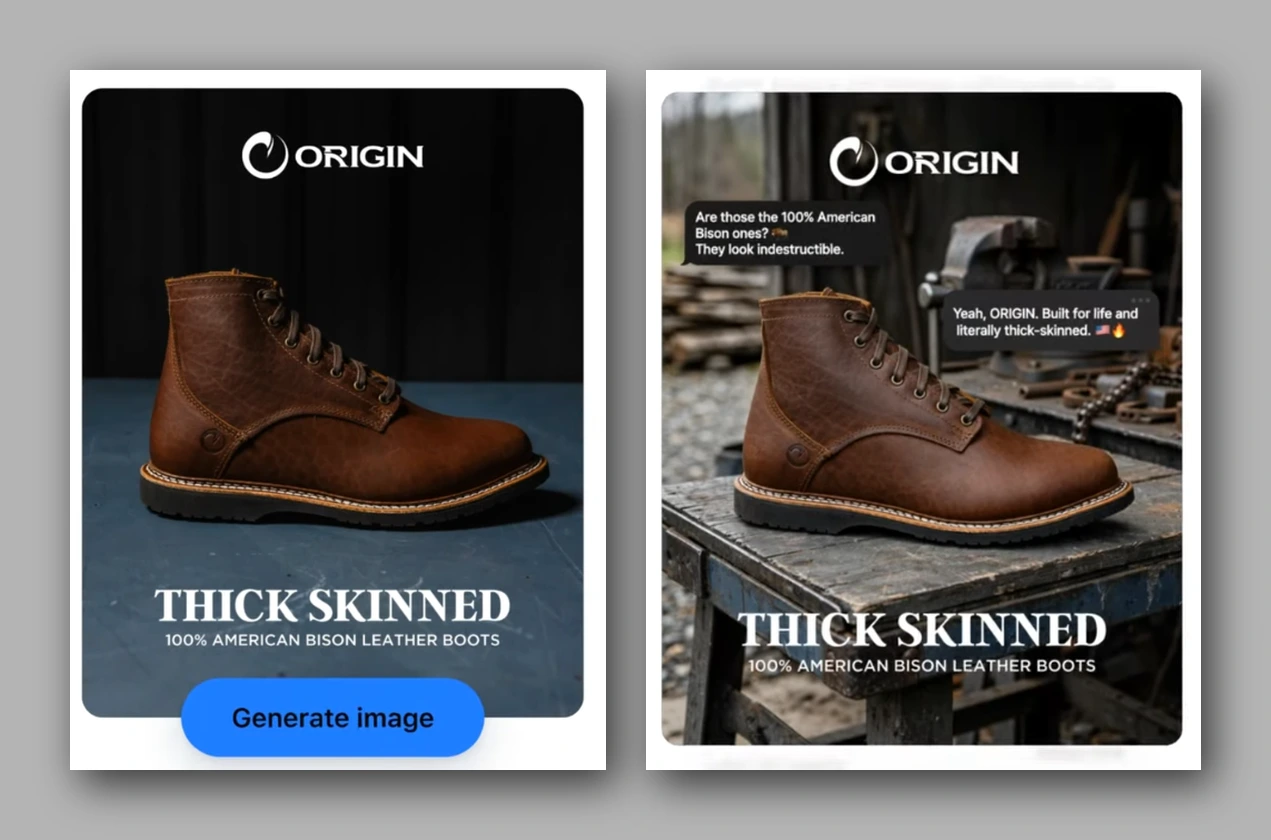
Here's a breakdown of two images as a before and after story. The before image shows three running campaigns from Origin, Laura Geller Beauty, and AG1 by Athletic Greens, each with a "Generate image" prompt beneath them.
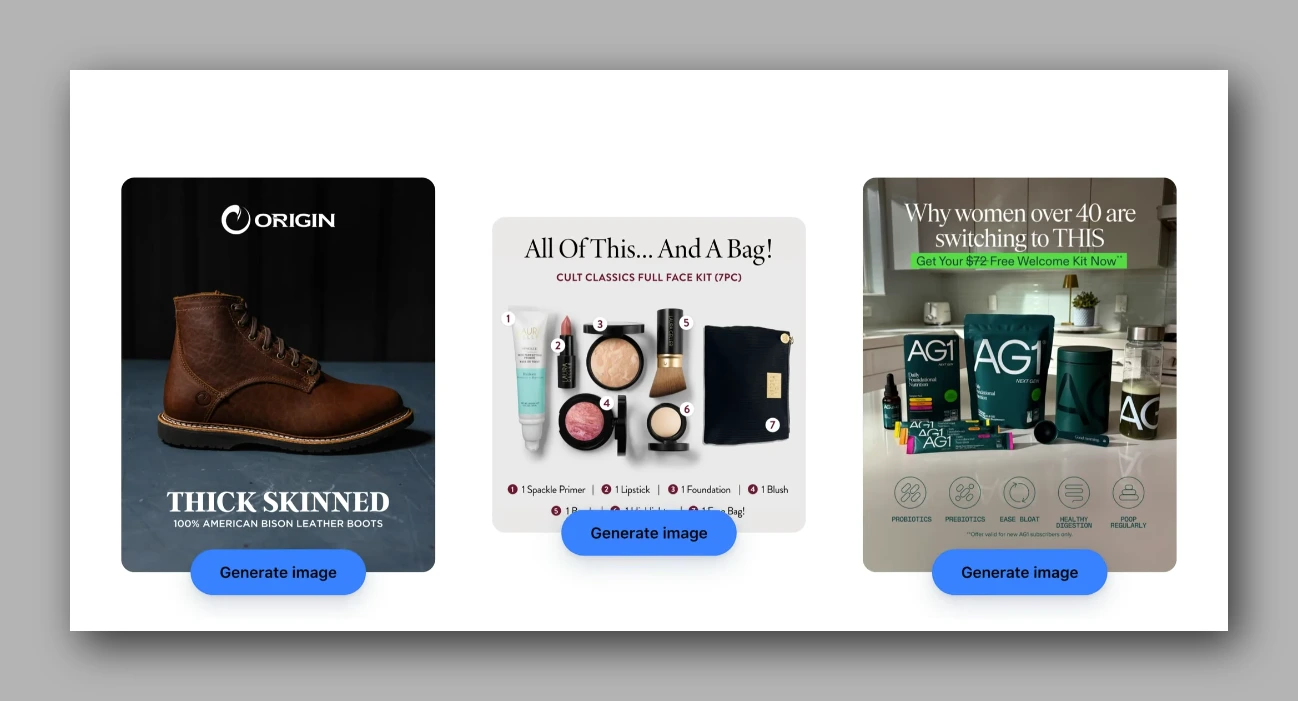
Muse analyzes the visual style and messaging, then produces ready-to-run versions of each ad as shown in the after image.
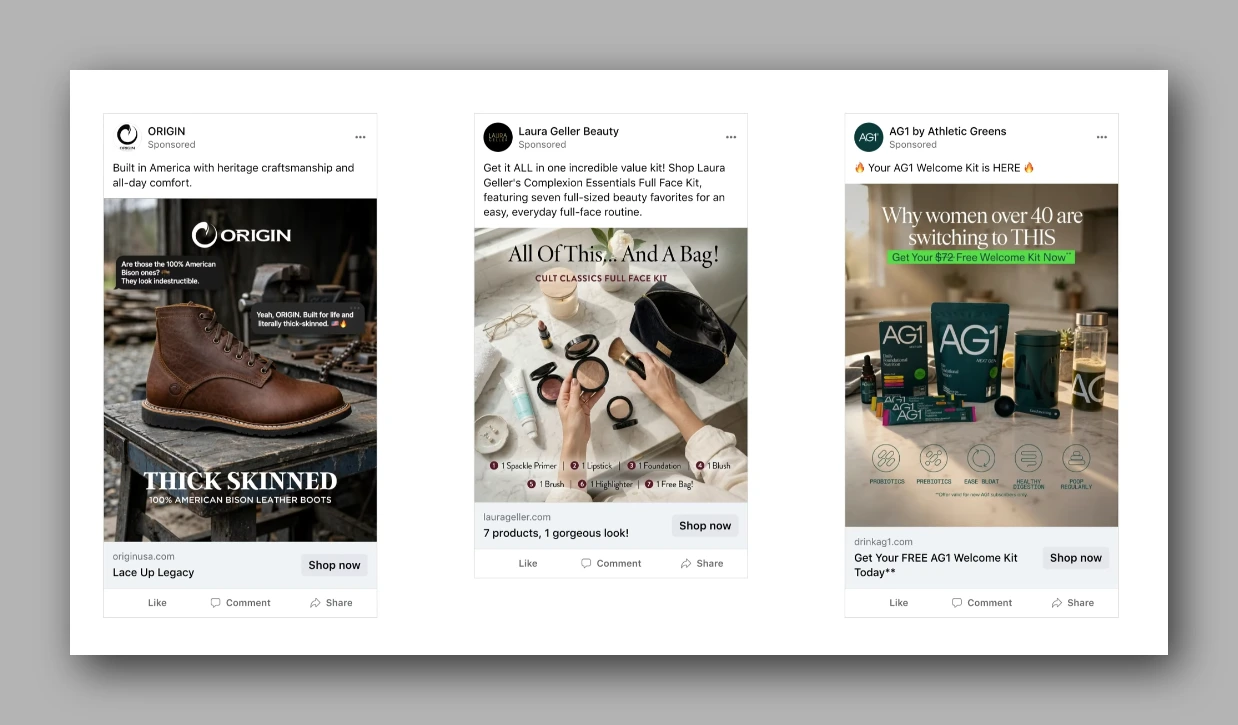
Meta says Muse Image differs from its previous image generation models because it uses "agentic visual reasoning" and self-refinement. The model can work from more detailed creative briefs rather than relying mainly on keywords. The company claims the AI can adjust layouts, swap styles, and generate multiple creative variations while preserving the appearance of the advertised product.
Room Restyle Extends It to Shopping
Alongside the advertising update, Meta announced a new shopping feature powered by Muse Image.
Meta AI Shopping now includes a room-restyle tool built on Muse Image. The feature works by allowing a shopper to upload a photo of a room. Meta AI then generates a redesigned version of that space using actual products from participating brands. Shoppers can continue the conversation with Meta AI to adjust the design, compare different options, and then visit the retailer's website to complete a purchase.
The tool is currently available to U.S. businesses and runs on the same product-data infrastructure that already powers their ad performance. It extends the shoppable-catalog direction Meta set out with its earlier Muse Spark AI Shopping features.
Why Meta Wants Its Own Model
Bringing image generation in-house fits Meta's wider move toward having the Meta algorithm assemble ads itself. As Meta automates more of the creative process, the input that stays under an advertiser's control is the product feed, the catalog data that now trains the models, populates the ads, and fills a shopper's restyled room.
A proprietary image model lets Meta run that pipeline end to end without licensing outside technology, building on the gen-AI ad-creation tools it has been adding to Ads Manager.
Recap
What is Meta Muse Image?

Muse Image is Meta's first in-house image-generation model, built by Meta Superintelligence Labs. Meta is bringing it into Advantage+ creative, the automated tool that generates ad images, with the integration due in the coming weeks.
How does Muse Image work in Advantage+ creative?
It replaces the image model inside Advantage+ creative. Meta says the model uses agentic reasoning and self-refinement to read a full creative brief and generate on-brand variations, adjusting elements and styles rather than responding to single keywords.
What does Muse Image change for advertisers and shoppers?
Advertisers get Meta's own model behind the ad images they already generate, and a new room-restyle tool in Meta AI Shopping places catalog products inside a shopper's own photo for U.S. businesses.