






Meta has introduced a series of new advertising, creator marketing, and AI updates at Cannes Lions 2026 as it continues to expand AI across its advertising business. The announcements focus on three areas: AI-powered ad creation, creator partnerships, and advertising workflow enhancements.
Meta Is Testing an End-to-End AI Creative Workflow
Meta is introducing a new AI-powered creative solution that supports ad creation from strategy through execution. According to the company, the tool will provide a dedicated workspace where marketers can review campaign performance, generate new ad concepts based on those results, and test creative variations.
The idea is to connect performance data directly with future creative decisions rather than treating reporting and creative development as separate processes. The feature is currently being tested with limited advertisers and can be accessed in the Tools tab in Ads Manager.
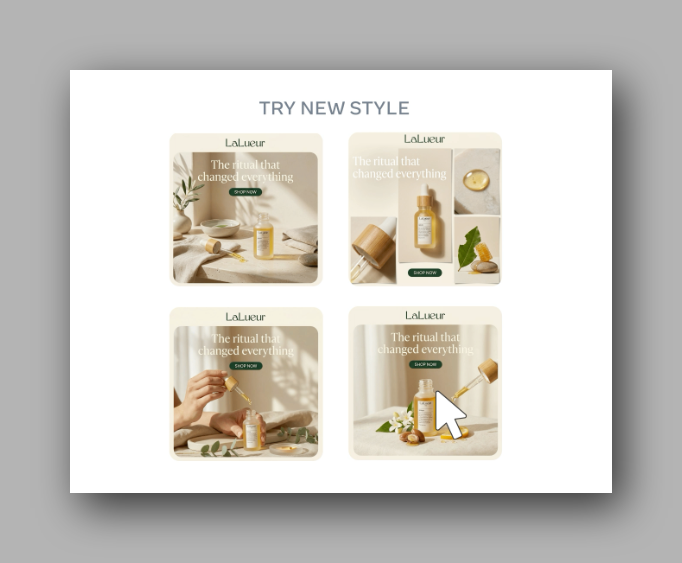
The company is also introducing "brand memory." The system can learn from a brand's existing ads to understand its tone, identity, and creative style. Advertisers can further define brand characteristics so AI-generated content aligns with those guidelines.
The update comes as more brands and agencies experiment with generative AI for campaign development, but continue to face concerns around maintaining brand consistency across large volumes of creative assets.
To see the ad creative brands are actually running right now, marketers can search any advertiser’s live Meta ads for free.
Meta is also working with agency holding company WPP to integrate the experience into WPP Open. According to the company, this would allow agencies already using WPP's platform to access Meta's AI-powered creative tools within their existing workflows.
Ads Manager Gains New AI-Generated Text and Translation
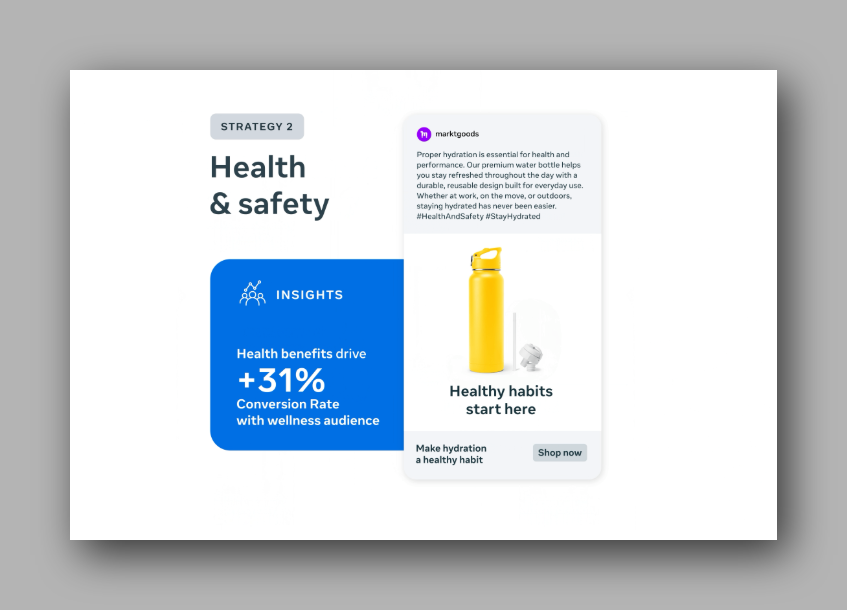
Meta has also announced updates to AI features already available inside Ads Manager. The company says it is expanding text generation capabilities beyond ad headlines and primary text. The updated tools will also generate text that appears directly within image creatives. Meta claims the system uses historical ad performance and business information to suggest different messaging approaches and ad variations, the creative variety the Meta algorithm rewards.
Meta is also adding additional language support for advertisers running international campaigns. For text placed on images, the company is adding Portuguese, French, German, Italian, and Indonesian. For AI-generated video voiceovers, support is expanding to Portuguese, Hindi, Arabic, German, French, Chinese, Italian, Indonesian, Polish, Dutch, and Turkish.
Another feature being tested is a built-in creative approval workflow. Advertisers and team members will be able to review, provide feedback on, and approve creative changes directly within the platform rather than relying on external approval processes.
Meta Combines Creator Marketing Tools Into One Hub
Meta is also restructuring its creator marketing products by combining Creator Marketplace and Partnership Ads Hub into a single platform called "Meta Creator Marketing Hub." The new hub is scheduled to launch later this year.
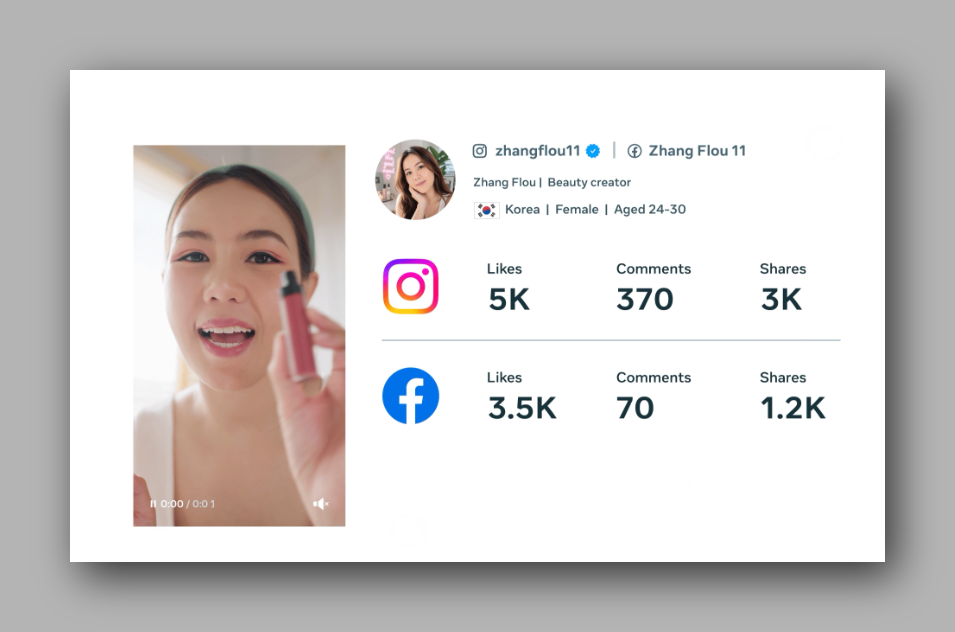
Currently, brands often move between separate tools to discover creators, manage partnerships, find content, and run partnership ads. The new hub will bring those functions together in one place.
Facebook Creators Are Coming to Creator Marketplace
Meta is also expanding its Creator Marketplace beyond Instagram. Later this year, Facebook creators will also become available within the same system. This means businesses will be able to search for and connect with creators across both Facebook and Instagram from a single destination.
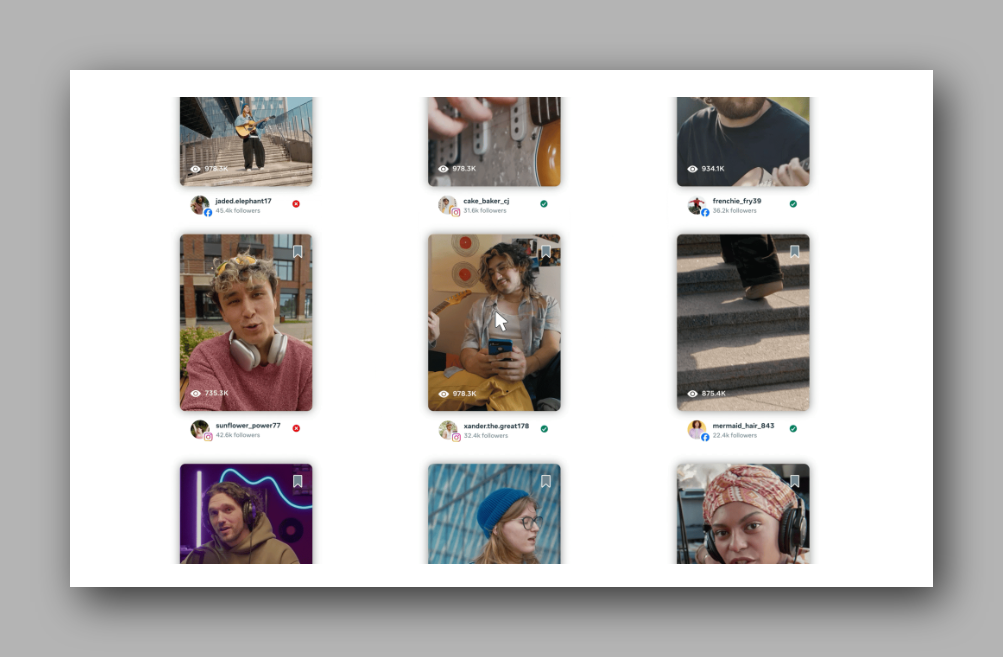
According to Meta, the platform will also surface creators that it predicts could perform well in partnership advertising campaigns across its apps.
New Creator Content Discovery Features
The company is also expanding the types of creator content that advertisers can find and promote through partnership ads. Businesses will begin seeing content from creators they have not previously worked with, including product-tagged content and user-generated posts.
Meta is also introducing filters that allow advertisers to search specifically for content containing product tags. This could be particularly relevant for retail and e-commerce brands looking to identify creator content already connected to products.
Meta says creators who opt in can also make their content available for advertising in advance through a pre-permission system.
A new performance reporting feature within the hub will show how creator-driven ads perform directly within the content discovery environment. Advertisers will be able to compare performance data without leaving the creator marketing workflow.
AI and Creator Tools Are Becoming a Larger Battleground
Major ad and social media platforms continue to invest in AI-powered campaign tools and creator-focused advertising products. Over the past year, companies including Google, TikTok, and Snap have expanded the use of generative AI across campaign creation, creative production, and media buying.
At Cannes Lions 2026, several platforms unveiled AI advertising updates designed to help advertisers generate creative assets, automate campaign management, and connect advertising systems with AI agents. TikTok, for instance, launched Symphony Agent, an AI tool that creates video ads from text prompts, images, and videos. Snapchat has also added creative tools that generate and adapt assets inside its Ads Manager.
Creator marketing is also becoming a larger part of advertising strategies. Social platforms are increasingly building tools that help brands discover creators, manage partnerships, and turn creator content into paid advertising. Meta's decision to combine Creator Marketplace and Partnership Ads Hub into a single destination follows a broader industry trend toward integrating creator discovery, content management, and ad activation into unified workflows.
The addition of Facebook creators to Creator Marketplace also expands Meta's creator inventory at a time when brands are looking for creator partnerships beyond a single platform or content format. As creator-led advertising continues to attract marketing budgets, platforms are competing to become the primary place where brands discover creators, manage partnerships, and measure campaign performance.
Recap
What new AI advertising tools did Meta announce at Cannes Lions 2026?

Meta introduced an end-to-end AI creative workflow that helps advertisers analyze campaign performance, generate new ad concepts, test creative variations, and maintain brand consistency through a new brand memory feature.
What is Meta's brand memory feature?
Brand memory is an AI capability that learns from a brand's previous advertising, creative style, tone, and identity to generate content that aligns with established brand guidelines.
How is Meta expanding Creator Marketplace?
Later this year, Meta will add Facebook creators to Creator Marketplace, allowing brands to discover and work with creators across both Facebook and Instagram from one platform.