










Google has launched Disco, an experimental web browser. According to the company, the browser takes a query or prompt, opens a set of related tabs, and then builds a custom app around whatever the user is trying to do. The experiment is being conducted through Google Labs, and a waitlist is now open for macOS users.
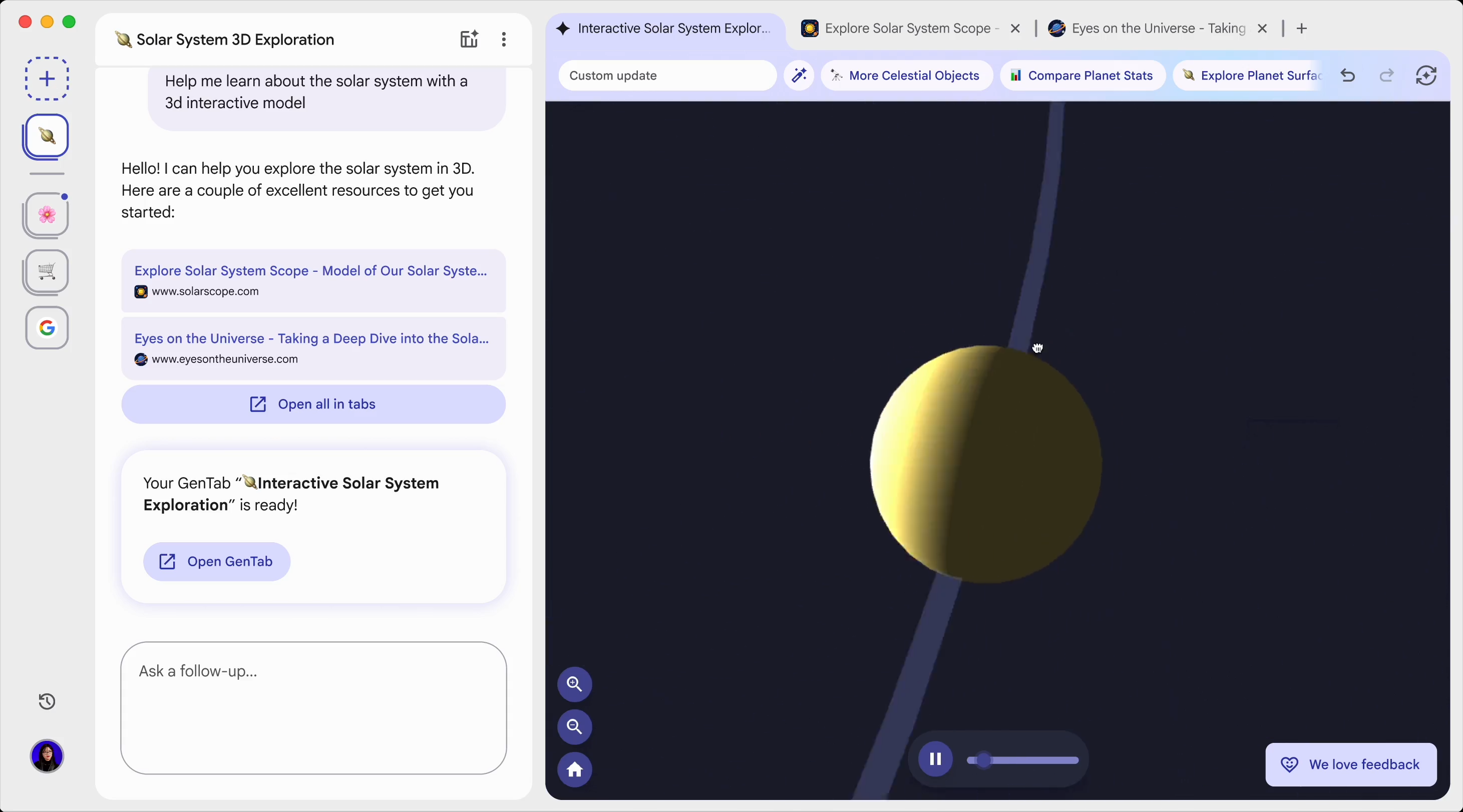
Google says Disco is designed to test a shift away from traditional browsing. Users can enter a query, and the browser organizes information around that task instead of manually opening and switching between tabs. The experiment explores how people might move from browsing pages to working inside short-lived apps built from the web.
How GenTabs works in Disco
Google says it is testing a feature called GenTabs in Disco. According to the company, GenTabs is built using the Gemini 3 model. It analyzes open tabs and chat history to understand what a user is working on, then generates an interactive web application based on that context.
Users do not need to write code. Instead, they describe the tool they want using natural language and can adjust it through follow-up prompts. Depending on the task, GenTabs can also suggest additional generative apps that the user may have missed. Every generated element links back to the original web sources. This means the browser does not replace websites but reorganizes them into a task-based interface where sources remain visible.
A prompt-based interface replaces the URL bar
Google’s demo videos show that Disco does not resemble Chrome’s interface. The browser removes the URL bar entirely. Instead, users interact through a central prompt composer where they can enter a website address or ask a question.
The layout mirrors interfaces used by AI chatbot platforms like ChatGPT. While Disco can still open and interact with standard websites, navigation begins with a prompt rather than by clicking links or managing multiple tabs.
Disco enters a growing market for AI browsers
Disco could be Google’s response to AI browsers that are gradually entering the market. In October, Perplexity launched Comet globally, describing it as a browser with a built-in AI assistant that answers questions and performs web tasks. OpenAI also introduced ChatGPT Atlas, which the company said integrates ChatGPT directly into web navigation across tabs and sites.
Both products were launched as alternatives to Chrome, which remains the dominant browser. According to StatCounter, Chrome currently accounts for about 72% of the global browser market.
Launching Disco suggests the company is testing whether a separate, AI-first browser will help it remain number one in the browser market. However, Disco raises questions about how it fits into Google’s broader browser strategy. Google has already integrated Gemini features into Chrome. The browser remains central to the company’s business, particularly as regulators continue to examine its market position. The company recently won a legal case that would have required it to sell Chrome, keeping the browser under its control.

 Free tool · Meta Ad Library