
OpenAI plans to test ads in ChatGPT
The move follows months of speculation around OpenAI’s advertising plans



Get Smarter at Marketing
OpenAI has announced that it will begin testing ads in ChatGPT in the coming weeks. The test will run in the U.S. and apply to only logged-in adults using the free and Go tiers.
According to OpenAI, the test does not mean it is launching ads. Instead, it is being positioned as an early experiment, marking the clearest signal yet that advertising is moving from speculation to reality on the platform.
How OpenAI says ads will work inside ChatGPT
In a blog post, OpenAI explained that ads in ChatGPT will be clearly labeled and kept separate from the AI’s responses. According to the company, ads will not influence what ChatGPT says or how it answers questions. Responses will continue to be based on what the system determines is most helpful, not on paid placements.
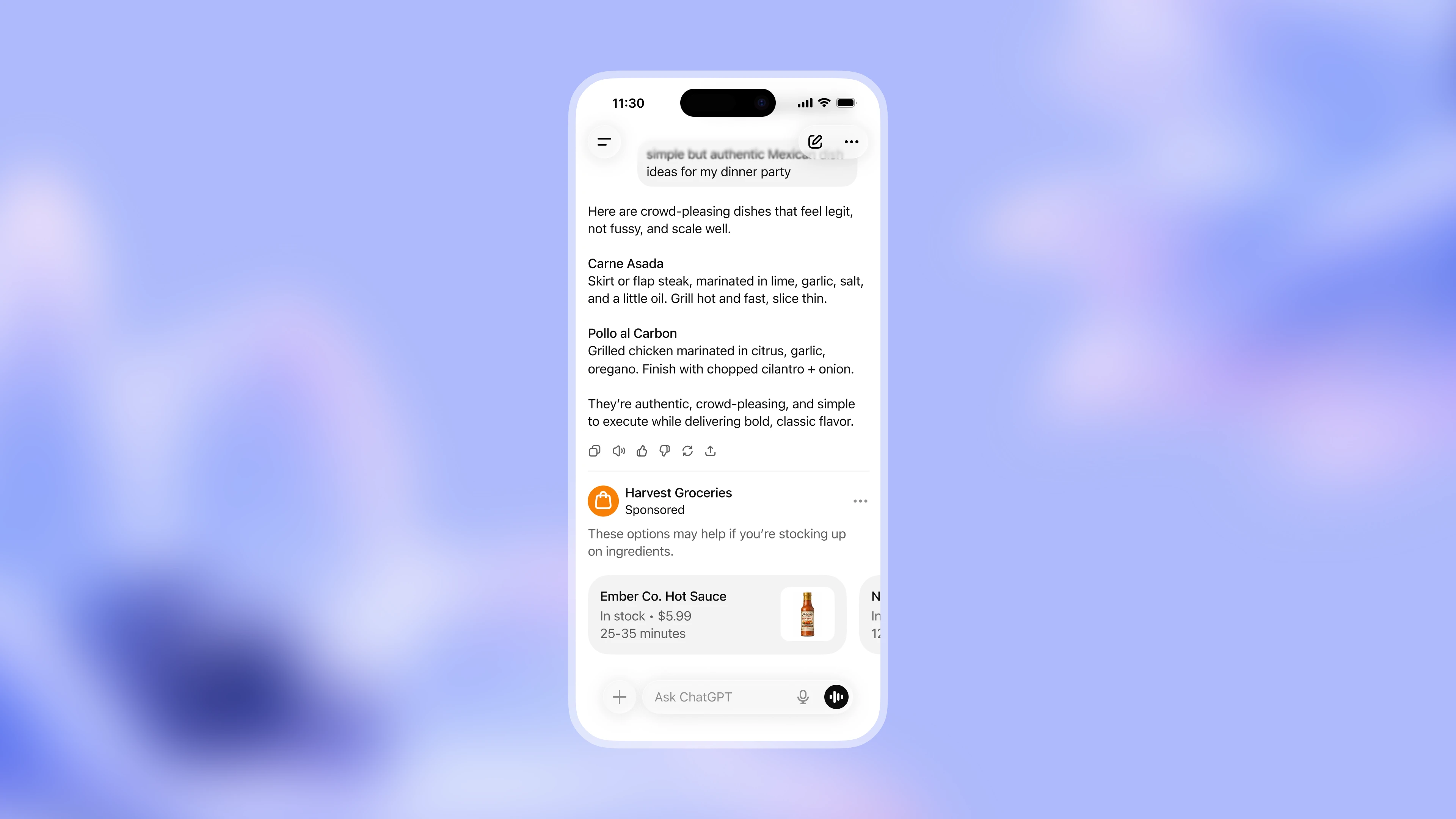
The startup says ads may be shown if they are relevant to users’ conversations. This means the ads users see could relate to the topic they are discussing with ChatGPT, such as products, services, or offers connected to their questions or requests. For example, if a user is asking ChatGPT about home appliances, they might see ads for refrigerators, washing machines, or online stores that sell them, or if the user asks about travel destinations, they might see ads for flights, hotels, or travel insurance.
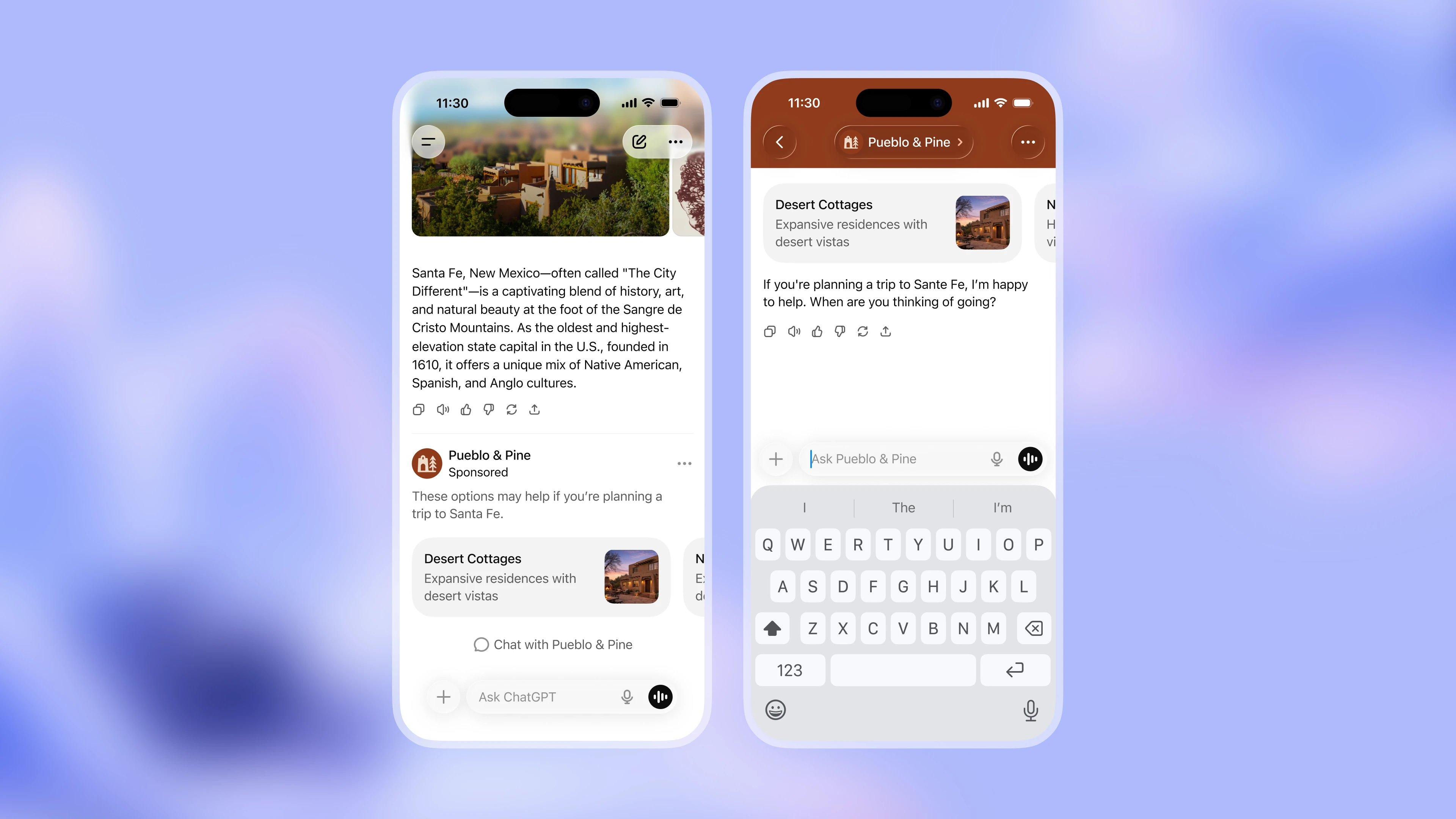
According to the company, conversations in ChatGPT will also remain private from advertisers. Advertisers will not have access to chat histories, and ads will not be generated from individual conversations.
OpenAI adds that users will have control over ad personalization. Users will be able to turn off personalization and clear the data used for ads at any time. The AI company says there will always be a way to avoid ads in ChatGPT, including through paid plans. Pro, Business, and Enterprise tiers will remain ad-free during the test.

From denials to confirmation
The company’s statement follows months of reporting suggesting that ads were coming to ChatGPT. In early December, computer engineer Tibor Blaho identified code in an Android beta that referenced an “ads feature, “search ads,” “search ads carousel,” ”and bazaar content.” Around the same period, some paid users reported seeing a prompt encouraging them to shop for home and groceries and connect ChatGPT to retail partner Target.
Those signals fueled speculation that OpenAI was already experimenting with sponsored content or shopping integrations. However, the company pushed back at the time. ChatGPT Product Manager Nick Turley said there were no live ad tests and that OpenAI would take a “thoughtful approach” if it decided to introduce advertising.
Further reports suggested OpenAI had slowed down ad-related work to focus on improving the core AI system behind ChatGPT. Those reports cited an internal memo from CEO Sam Altman, who told employees he was calling a “code red,” aimed at improving the overall product quality. This latest announcement puts an official marker on where things stand. Ads are not live, but they are now confirmed as part of OpenAI’s near-term testing plans.
The discussion is not limited to OpenAI. Google has also faced questions about ads in its Gemini app and has denied plans to introduce them. Perplexity, on the other hand, has integrated ads into its chatbot. These companies continue to battle for leadership in conversational AI as they explore how ads fit into their products.
A shift in tone from OpenAI leadership
Conversations across the ad tech industry have pointed to AI chatbots as a potential new surface for ads, especially as companies look for additional revenue streams to support rising operational costs. But bringing ads to ChatGPT is a clear shift from OpenAI’s earlier public position. CEO Sam Altman has previously described ads as a “last resort.”
However, in a recent episode of Conversations with Tyler, Altman said that ads can be effective when done properly, suggesting a more pragmatic view. The company is now openly saying ads are coming to testing while still framing the move as cautious and limited.
%20(1).png)
in the world of marketing: